Art Project for Kids – Creative Activities That Inspire Learning and Joy
An art project for kids is a powerful way to support creativity, emotional expression, and early learning. Art allows children to explore ideas freely without pressure or rules. Through painting, drawing, and crafting, kids develop confidence, focus, and imagination. Art projects do not need to be complex or time-consuming to be meaningful. With simple materials and encouragement, children can enjoy creative moments that support their emotional wellbeing and strengthen their connection with parents and caregivers.
Art projects for kids inspire creativity, learning, and fun through easy activities that support child development at home and school.
Why Art Project for Kids Is Important
Art plays an essential role in the overall development of a child.When children participate in art projects, they learn how to express thoughts and emotions that they may not yet be able to explain with words.Art encourages independent thinking and problem-solving, allowing kids to make decisions and explore outcomes on their own. These experiences help build confidence and self-esteem while also supporting cognitive and emotional growth in a natural and enjoyable way.
An art project for kids also improves fine motor skills through activities such as holding brushes, coloring, cutting, and gluing. These small movements strengthen hand muscles and coordination, which are essential for writing and daily tasks later in life. Most importantly, art provides a safe and pressure-free space where children feel valued for their ideas rather than judged for results.
Benefits of Art Projects at Home
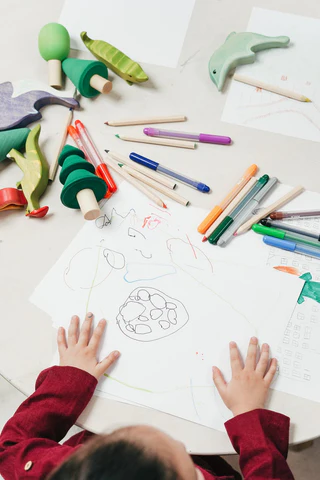
Doing art projects at home creates a relaxed environment where children feel comfortable experimenting and making mistakes. Home-based art activities allow kids to work at their own pace without comparison to others. Parents can observe their child’s creativity and emotional expressions more closely, which helps strengthen trust and communication.
Art projects at home also reduce screen time in a positive way. Instead of passive entertainment, children become actively engaged in creating something meaningful. These creative moments often bring calmness and focus, helping children unwind and manage stress. An art project for kids at home becomes more than an activity; it becomes quality bonding time.
Simple Materials for an Art Project for Kids
One of the biggest advantages of kids’ art projects is that they do not require expensive or professional supplies. Simple materials such as paper, cardboard, crayons, washable markers, and basic paints are more than enough to inspire creativity. Household items like old boxes, paper rolls, fabric scraps, and bottle caps can also be transformed into creative tools.
Using simple and recycled materials teaches children that creativity comes from imagination, not from costly supplies. It also encourages problem-solving and resourcefulness. An art project for kids becomes more meaningful when children learn to create freely with what they already have.
Painting Art Project for Kids
Painting is one of the most popular and expressive art activities for children. Through painting, kids explore colors, textures, and emotions in a direct and sensory way. Color-mixing activities help children understand how new shades are created while encouraging curiosity and experimentation. Finger painting, especially for younger kids, supports sensory development and allows full creative freedom without rules.
Painting projects help children release emotions and improve concentration. There is no right or wrong way to paint, which makes this type of art project for kids especially powerful for building confidence. The focus remains on enjoyment and exploration rather than perfection.
Drawing-Based Art Project for Kids
Drawing allows children to communicate ideas visually and develop storytelling skills. Free drawing time gives kids the opportunity to express imagination without instructions or limits. Some children enjoy drawing people, animals, or imaginary worlds, while others prefer patterns and shapes. All forms of drawing are valuable.
Emotion-based drawing activities help children understand and express feelings in a healthy way. Story drawing encourages creativity and language development as children explain what they have created. A drawing-based art project for kids supports focus, patience, and self-expression.
Craft Art Project for Kids Using Recycled Materials
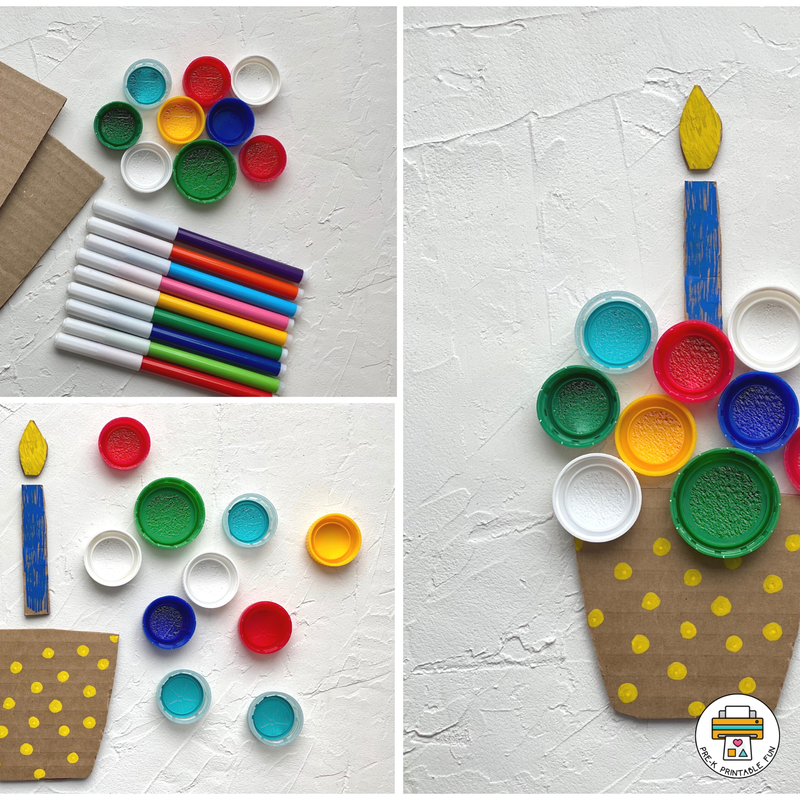
Craft projects using recycled materials encourage creativity while teaching environmental awareness. Cardboard boxes can become houses, vehicles, or robots, while paper rolls can be transformed into animals or characters. These activities help children see possibilities in everyday objects.
Craft-based art projects also strengthen problem-solving skills as kids figure out how to build and assemble their ideas. An art project for kids that uses recycled materials teaches responsibility, creativity, and imagination at the same time.
Nature-Inspired Art Project for Kids
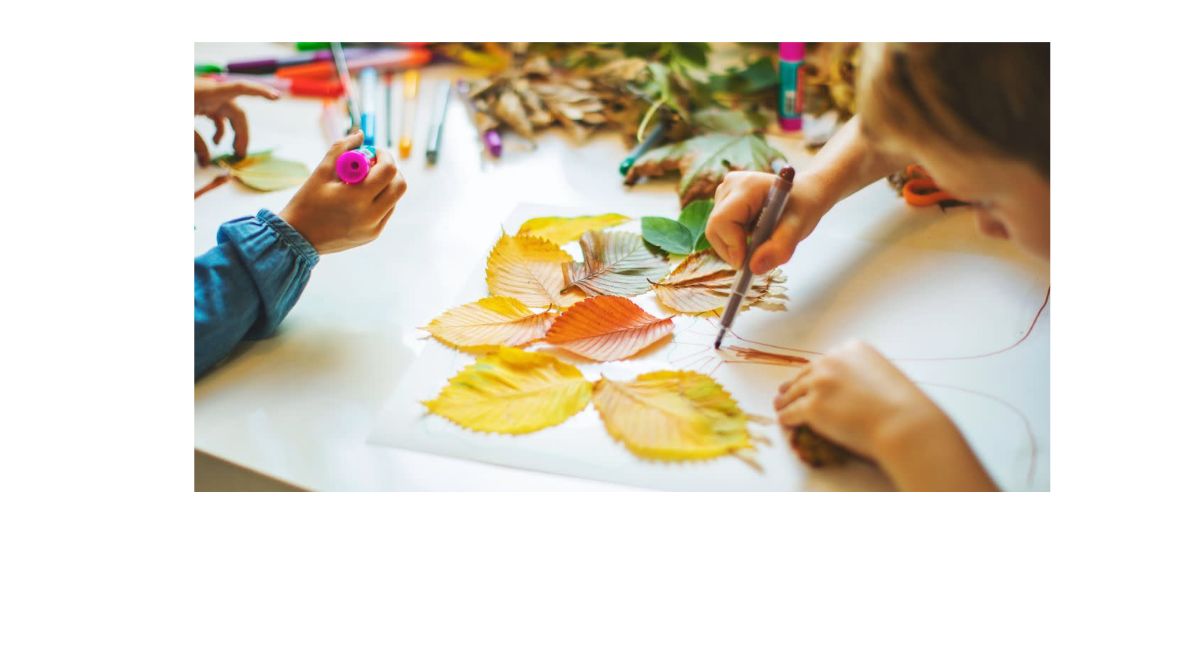
Nature provides endless inspiration for art projects. Leaves, rocks, flowers, and sticks can be used to create beautiful and meaningful artwork. Leaf printing allows children to explore texture and shape, while rock painting improves focus and patience.
Nature-based art projects help children develop observation skills and appreciation for the environment. Bringing outdoor elements into creative activities makes an art project for kids more engaging and educational while fostering a connection with nature.
Educational Art Project for Kids
Art can support early learning in a fun and stress-free way. Alphabet art helps children recognize letters while decorating them creatively. Number art introduces basic math concepts through visual play. Shape-based art activities improve spatial awareness and problem-solving skills.
Educational art projects work best when learning is blended naturally into creativity. An art project for kids becomes more effective when children are enjoying the process rather than feeling pressured to learn.
Art Project for Kids and Emotional Development
Art is a powerful tool for emotional growth. Through creative activities, children learn to manage frustration, express feelings, and build emotional awareness. Art teaches kids that mistakes are part of learning and that creativity has no fixed rules.This emotional freedom helps children build resilience, confidence, and self-acceptance
Tips for Parents Supporting Art Projects
Parents play an important role in shaping a child’s creative experience. Encouraging effort rather than perfection helps children feel confident. Allowing kids to make choices about colors, materials, and ideas supports independence.
Avoid correcting or controlling a child’s artwork. Instead, ask open-ended questions and show interest in their process. A positive and relaxed attitude makes an art project for kids more enjoyable and meaningful.
How Often Should Kids Do Art Projects
Art does not need to be a daily or lengthy activity. Short sessions of 15 to 30 minutes a few times a week are enough to support creativity and emotional wellbeing. Consistency matters more than duration.
When art is offered regularly without pressure, children naturally develop interest and confidence. An art project for kids should feel like a joyful opportunity, not a task.
Art Project for Kids as Meaningful Gifts
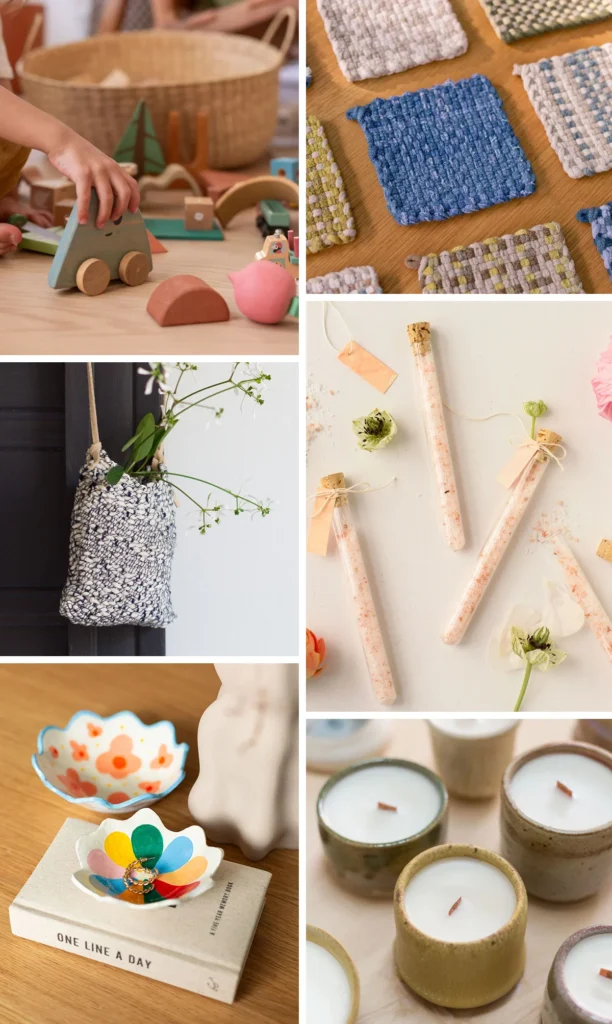
Children’s artwork makes thoughtful and emotional gifts for family members. Creating art for birthdays or holidays teaches children empathy and appreciation. Framing a child’s artwork shows that their creativity is valued.
An art project for kids that becomes a gift helps children feel proud and connected to others, creating lasting memories.
FAQs
1.What is the best age to start an art project for kids?
Children can begin art activities as early as toddler age using safe and simple materials. Art projects can grow in complexity as children develop new skills.
2.Do art projects need to have rules?
No, open-ended art projects are often more beneficial. Creativity grows when children feel free to explore without strict rules.
3.How can parents manage a mess during art time?
Using washable supplies, covering surfaces, and preparing cleaning materials in advance helps keep art time stress-free.
4.What if a child feels frustrated with their artwork?
Encourage them by reminding them that art has no mistakes. Help them see frustration as part of learning and creativity.
5.Can art projects improve behavior and emotions?
Yes, art helps children express emotions, reduce stress, and develop emotional regulation in a healthy way.
Conclusion
An art project for kids is a valuable and meaningful activity that supports creativity, learning, and emotional growth. Art does not require perfection, special skills, or expensive supplies. With encouragement and freedom, children gain confidence and imagination through creative expression. Making art a regular part of childhood helps children develop lifelong skills while strengthening emotional connections with the people who support them.