Bread Make-The Complete Buying and Usage Guide for Perfect Homemade Bread
A bread maker is one of the most useful kitchen appliances for anyone who loves fresh, homemade bread without the complexity of traditional baking. With minimal effort, a bread maker mixes, kneads, proofs, and bakes bread automatically. Whether you are a beginner, a busy parent, or someone experimenting with healthier homemade recipes, the right bread maker can save time while delivering consistent results. This guide explains everything you need to know before choosing and using a bread maker.
Discover the best bread maker for fresh, homemade bread. Compare features, recipes, and tips to choose the perfect bread maker for your kitchen.
What Is a Bread Maker and How Does It Function?
A bread maker is an automated countertop appliance designed to simplify the bread-making process. It combines multiple baking stages into one machine, eliminating the need for manual kneading or precise temperature control. Once ingredients are added to the bread pan, the machine follows a programmed cycle.
Most bread makers work in four main stages. First, the mixing paddle blends ingredients evenly. Second, the kneading phase develops gluten, giving the dough structure. Third, the dough rests and rises under controlled warmth. Finally, the baking element cooks the bread evenly inside the pan. This automation ensures reliable results even for beginners.
Why Bread Makers Are Popular in Modern Kitchens
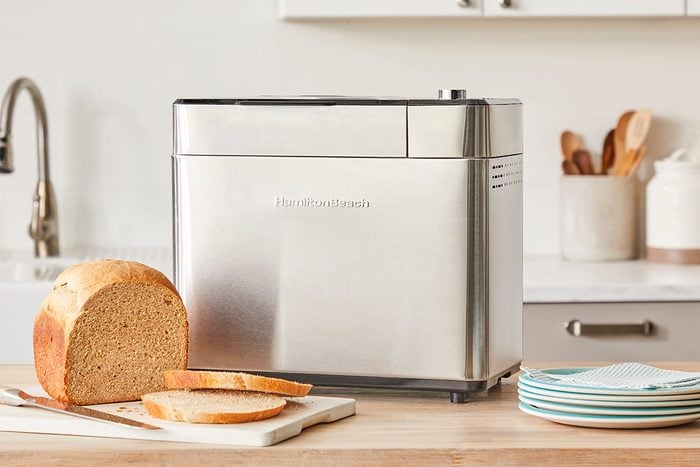
Bread makers have become increasingly popular because they offer convenience and consistency. Unlike traditional baking, a bread maker requires little hands-on time. Many models allow users to prepare ingredients in advance and wake up to freshly baked bread.
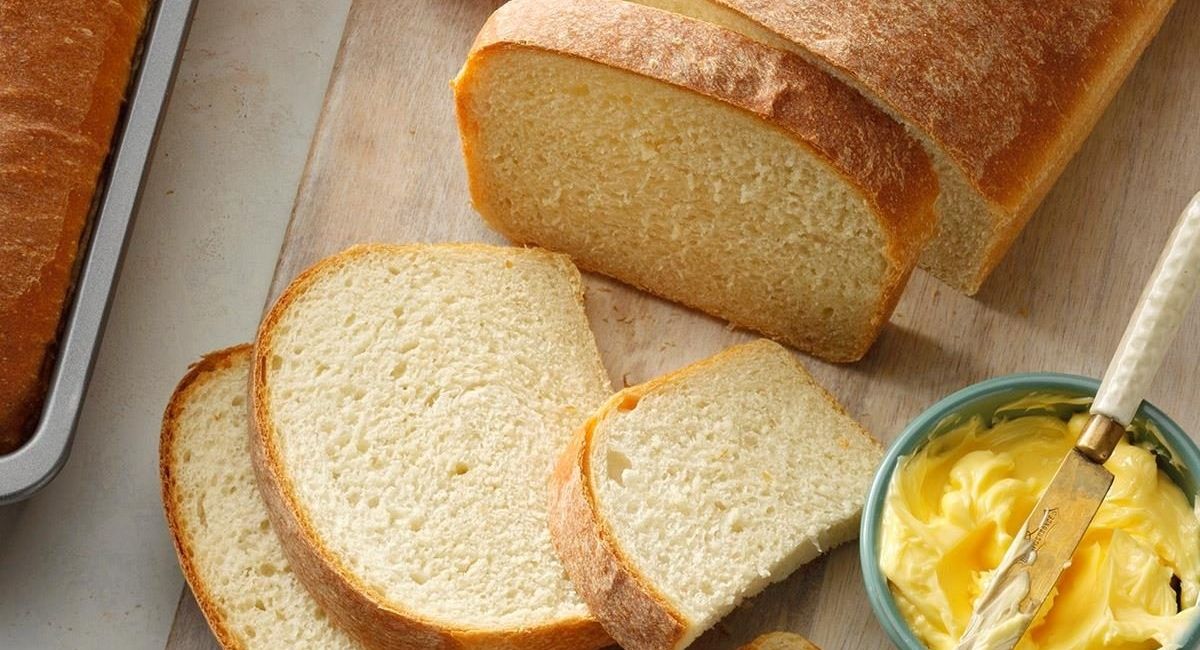
Another reason for their popularity is dietary control. Homemade bread allows people to avoid preservatives, reduce sugar, or experiment with gluten-free and whole-grain recipes. Bread makers also reduce food waste by producing loaves sized to a household’s needs. For families, this appliance quickly becomes a practical everyday tool.
Types of Bread Makers Available Today
Bread makers come in different styles, each designed for specific needs. Understanding these types helps buyers choose the most suitable model.
Horizontal Bread Makers
Horizontal bread makers produce loaves shaped like traditional sandwich bread. These loaves are easier to slice evenly and fit standard toasters. Most mid-range and premium models use a horizontal pan design.
Vertical Bread Makers
Vertical bread makers have a compact footprint and bake taller loaves. While they save counter space, the loaf shape may be less ideal for sandwiches. These machines are best for small kitchens or occasional use.
Single Paddle vs Dual Paddle Bread Makers
Single paddle bread makers are common and sufficient for most recipes. Dual paddle machines provide stronger kneading, especially for large or dense doughs. They are preferred by advanced users who bake frequently.
“Important Features to Consider When Choosing a Bread Maker”
Important Features To Consider When Choosing a Bread Maker
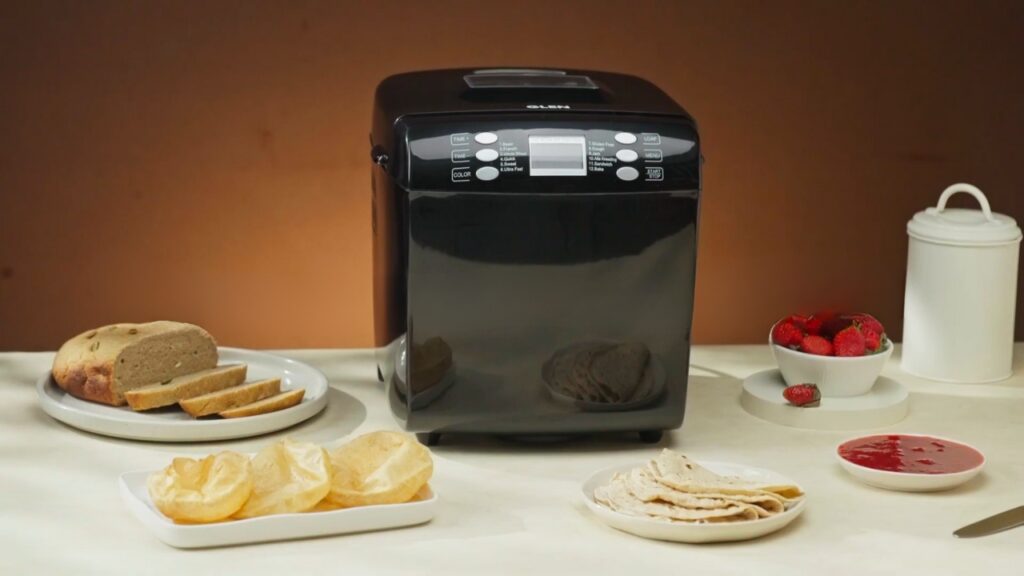
Choosing the right bread maker depends on features that match your baking habits. Not all machines offer the same level of control or flexibility.
Loaf Size Options
Most bread makers support loaf sizes ranging from 1 pound to 2 pounds. Smaller households may prefer 1 or 1.5-pound loaves, while large families benefit from 2-pound capacity machines.
Bread Settings and Programs
A good bread maker includes preset programs for white bread, whole wheat, French bread, quick bread, dough, and gluten-free recipes. Advanced models may also include jam, yogurt, or sourdough settings.
Customizable Controls
Custom programs allow users to adjust kneading, rising, and baking times. This feature is valuable for experienced bakers or those experimenting with unique recipes.
Crust Color Control
Most machines allow users to choose light, medium, or dark crust. This ensures bread is baked exactly to personal preference.
Bread Maker Materials and Build Quality
The materials used in a bread maker affect durability and performance. Bread pans are typically coated with non-stick materials, making cleanup easier. Higher-end models use thicker coatings that resist scratches over time.
The outer housing may be plastic or stainless steel. Stainless steel models are more durable and aesthetically pleasing but often cost more. Lid design also matters, as some machines include viewing windows to monitor baking progress without opening the lid.
Bread Maker Performance: What Really Matters
Performance is the most important factor when evaluating a bread maker. Even the most feature-rich machine is useless if it produces inconsistent results.
Mixing and Kneading Quality
Strong kneading ensures proper gluten development. Poor kneading can lead to dense or uneven bread. Dual paddles or well-designed single paddles typically perform better.
Proofing Consistency
Temperature control during proofing affects yeast activity. A good bread maker maintains steady warmth, resulting in evenly risen dough without collapsing.
Baking Evenness
Machines with top and bottom heating elements bake more evenly. This prevents pale crusts and uneven browning, producing visually appealing loaves.
Bread Makers for Beginners
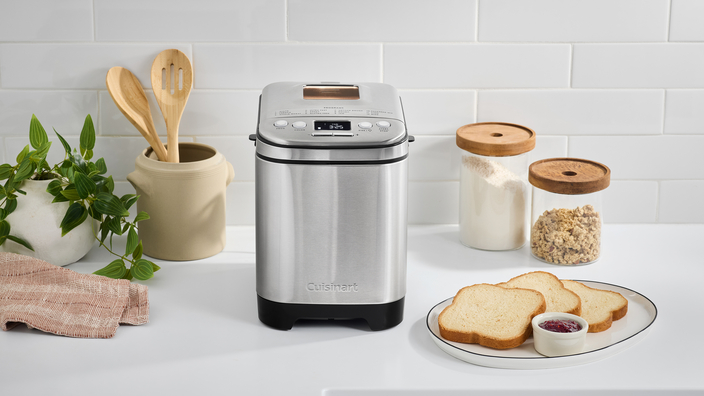
Beginners should focus on simplicity and reliability. A basic bread maker with clear instructions and essential settings is ideal. Machines with fewer buttons reduce confusion and help new users build confidence.
Ease of cleaning is also important for beginners. Removable pans and dishwasher-safe components make maintenance straightforward. Most beginners benefit from affordable models that still produce consistent bread without advanced customization.
Bread Makers for Families
Families require bread makers that handle frequent use and larger loaf sizes. A 2-pound capacity machine is usually best. Noise level can also matter in busy households, especially if bread is baked early in the morning.
Families benefit from machines with delay timers, allowing bread to finish baking at convenient times. Durable construction ensures the appliance lasts through years of regular use.
Bread Makers for Advanced Bakers
Advanced bakers value flexibility and control. Machines with customizable programs allow experimentation with hydration levels, fermentation times, and specialty flours.
Dual paddle machines are especially useful for whole-grain or dense doughs. Advanced users may also prefer machines that allow partial automation, such as dough-only cycles for oven baking.
Bread Maker vs Traditional Bread Baking
Traditional bread baking offers hands-on satisfaction but requires time, skill, and experience. Bread makers simplify the process and reduce errors. While artisan bakers may prefer manual methods, bread makers are ideal for daily use.
Bread makers also provide consistency. Once a recipe is perfected, results can be repeated easily. For busy individuals, this reliability is a major advantage over traditional baking.
Common Mistakes When Using a Bread Maker
Many issues with bread makers come from simple mistakes. Incorrect ingredient measurements are the most common problem. Using a digital scale improves accuracy and consistency.
Adding ingredients in the wrong order can also affect results. Most machines require liquids first, followed by dry ingredients, with yeast added last. Ignoring manufacturer guidelines may lead to failed loaves.
Cleaning and Maintaining a Bread Maker
Proper maintenance extends the life of a bread maker. After each use, the bread pan and paddle should be cleaned gently to preserve the non-stick coating. Avoid metal utensils that can scratch surfaces.
The interior should be wiped occasionally to remove crumbs. Regular inspection of paddles and seals ensures smooth operation. With basic care, a quality bread maker can last for many years.
Energy Efficiency and Cost Considerations
Bread makers are generally energy-efficient compared to traditional ovens. They use targeted heating, reducing energy consumption. This makes them cost-effective for frequent baking.
While premium machines cost more initially, they often deliver better performance and durability. Budget models are suitable for occasional use, but heavy users may benefit from investing in higher-quality machines.
Health Benefits of Using a Bread Maker
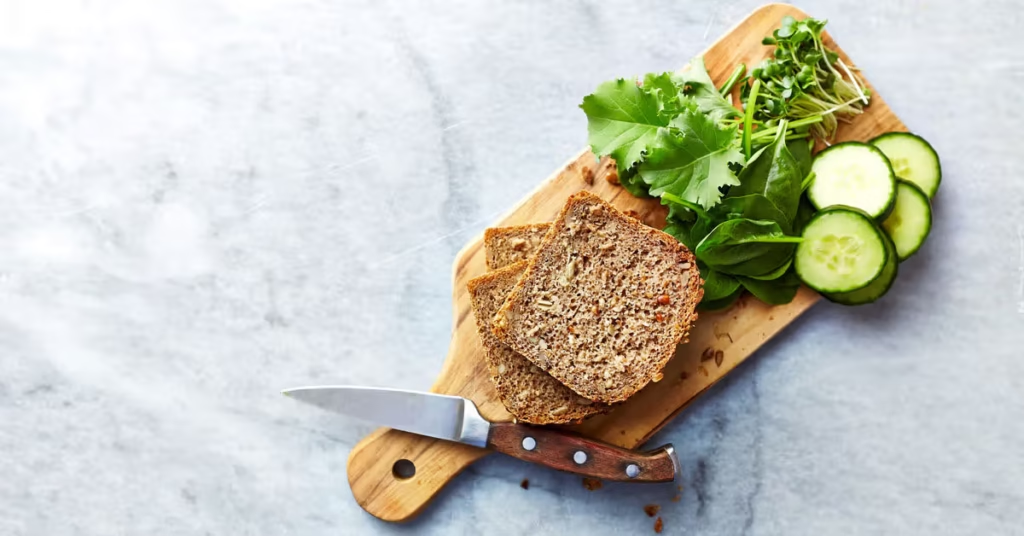
Homemade bread offers several health benefits. Users can control ingredients, reduce sodium, and avoid preservatives. Whole grains, seeds, and alternative flours can be easily incorporated.
Bread makers also support special diets, including gluten-free and low-sugar recipes. This flexibility makes them valuable for families with dietary restrictions or health-conscious lifestyles.
Bread Maker Recipes and Versatility
Modern bread makers are not limited to bread. Many machines handle pizza dough, rolls, cakes, jams, and even yogurt. This versatility increases the value of the appliance.
Experimenting with recipes allows users to maximize their bread maker’s potential. With practice, the machine becomes a multifunctional kitchen tool rather than a single-purpose appliance.
Buying Tips for the Best Bread Maker
Before purchasing a bread maker, consider your baking frequency, family size, and available counter space. Reading verified customer reviews helps identify real-world performance issues.
Warranty and customer support are also important. Reputable brands offer clear manuals and responsive service, ensuring long-term satisfaction.
FAQs
1. Is a bread maker worth buying?
A bread maker is worth buying if you enjoy fresh bread, want ingredient control, and value convenience. It saves time and effort compared to traditional baking while producing consistent results.
2. Can a bread maker make gluten-free bread?
Yes, many bread makers include gluten-free settings. These programs adjust mixing and baking times to accommodate gluten-free flours and produce better texture.
3. How long does bread take in a bread maker?
Most standard bread cycles take between 2 and 4 hours. Quick bread settings can reduce this time, while whole wheat or artisan recipes may take longer.
4. Do bread makers consume a lot of electricity?
Bread makers are energy-efficient appliances. They use less electricity than conventional ovens, making them economical for regular use.
5. Can I use a bread maker only for dough?
Yes, bread makers are excellent for dough preparation. Many users rely on dough-only cycles for pizza, rolls, and oven-baked breads.
Conclusion
A bread maker is a practical and versatile appliance that transforms home baking into an easy, reliable process. By choosing a model that fits your needs, you can enjoy fresh, customized bread with minimal effort. From beginners to advanced bakers, a quality bread maker offers convenience, consistency, and long-term value for any kitchen.