Tiny House Living -The Complete Guide to Simple, Affordable, and Sustainable Living
Tiny house living is more than a housing trend; it is a lifestyle choice built around simplicity, freedom, and intentional design. As housing costs rise and people seek flexible, meaningful ways to live, tiny homes offer an attractive alternative. From financial independence to eco-friendly living, this movement continues to grow worldwide. This complete guide explores everything you need to know about tiny house living, helping you decide whether downsizing could be the right step for your future.
Discover tiny house living unique ideas, smart designs, and minimalist lifestyles that save space, money, and bring true freedom.
What Is Tiny House Living?
Tiny house living refers to residing in a compact home designed to maximize functionality while minimizing unused space. While traditional definitions place tiny houses under 600 square feet, many modern interpretations extend up to 1,200 square feet. The focus is not solely size but efficiency, thoughtful layouts, and intentional living.
Unlike small apartments, tiny homes often incorporate custom storage, multifunctional furniture, and open layouts that make limited space feel comfortable and practical. They can be stationary or mobile, urban or rural, rustic or modern, offering flexibility to match different lifestyles.
The Philosophy Behind Tiny House Living

At its core, tiny house living emphasizes living with less so you can gain more—more freedom, more time, and more financial security. Many people adopt this lifestyle to escape high mortgages, reduce stress, or reconnect with what truly matters.
Minimalism plays a key role, but tiny house living is not about sacrifice. Instead, it encourages conscious consumption, efficient design, and mindful choices that align daily life with personal values.
Benefits of Tiny House Living
Financial Freedom
One of the biggest advantages of tiny house living is affordability. Lower construction or purchase costs mean reduced debt or no mortgage at all. Utility bills, property taxes, and maintenance expenses are also significantly lower compared to traditional homes.
Simplified Lifestyle
Living in a smaller space naturally limits clutter. With fewer belongings to manage, homeowners often experience reduced stress and more mental clarity. Cleaning and upkeep require less time, freeing up hours for hobbies, family, or travel.
Environmental Impact
Tiny homes typically consume fewer resources to build and operate. Many owners incorporate solar panels, rainwater collection, and energy-efficient appliances, making tiny house living an environmentally responsible choice.
Mobility and Flexibility
For those who choose tiny homes on wheels, mobility is a major benefit. Homeowners can relocate for work, travel, or lifestyle changes without purchasing new property.
Types of Tiny Houses
Tiny Houses on Wheels
These homes are built on trailers and designed for mobility. They are popular among digital nomads and travelers who value location independence.
Foundation-Based Tiny Homes

These are permanent structures built on land, often used as primary residences, vacation homes, or accessory dwelling units (ADUs).
Container Tiny Homes
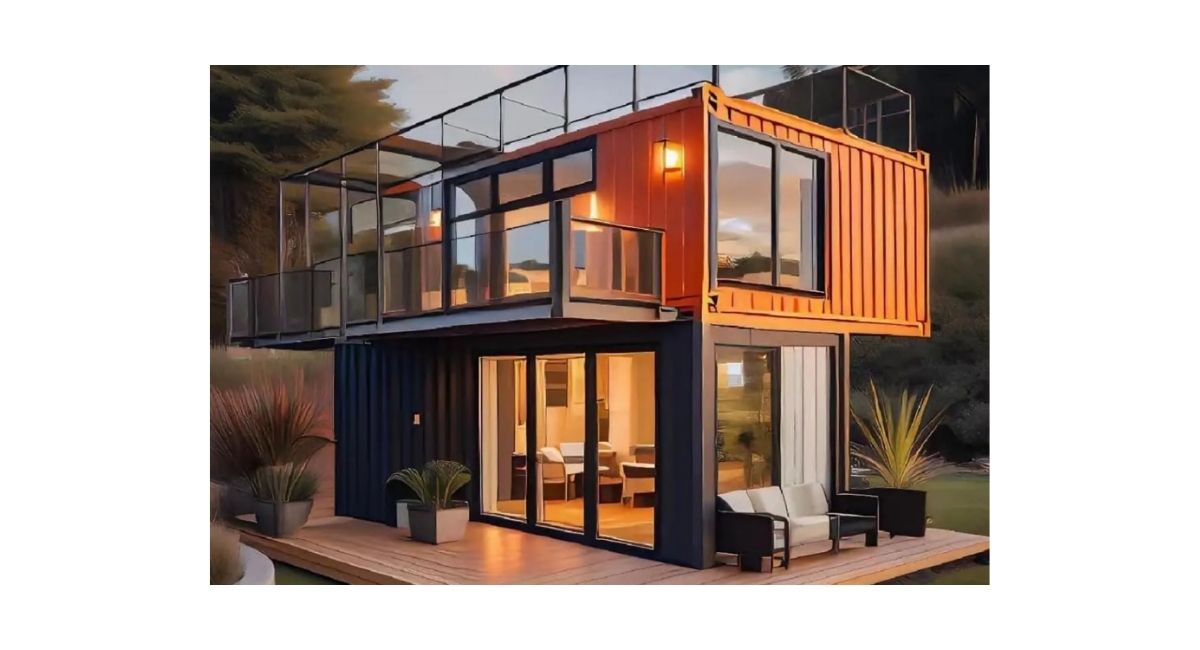
Constructed from shipping containers, these homes offer durability and a modern industrial aesthetic.
Prefabricated Tiny Homes
Prefab models are factory-built and delivered to the site, offering predictable costs and shorter build times.
Designing a Functional Tiny House
Design is the backbone of successful tiny house living. Every inch must serve a purpose while maintaining comfort and style.
Open floor plans help small spaces feel larger, while vertical storage maximizes unused wall height. Lofted sleeping areas free up floor space, and built-in furniture eliminates the need for bulky items.
Natural light is another essential design element. Large windows, skylights, and light color palettes create an open and airy atmosphere.
Storage Solutions for Tiny House Living
Smart storage is critical in tiny homes. Under-stair drawers, hidden compartments, wall-mounted shelving, and fold-away furniture all contribute to an organized space.
Many tiny homeowners adopt seasonal storage strategies, rotating belongings based on weather or lifestyle needs. This approach ensures functionality without overcrowding.
Tiny House Kitchens: Small but Powerful
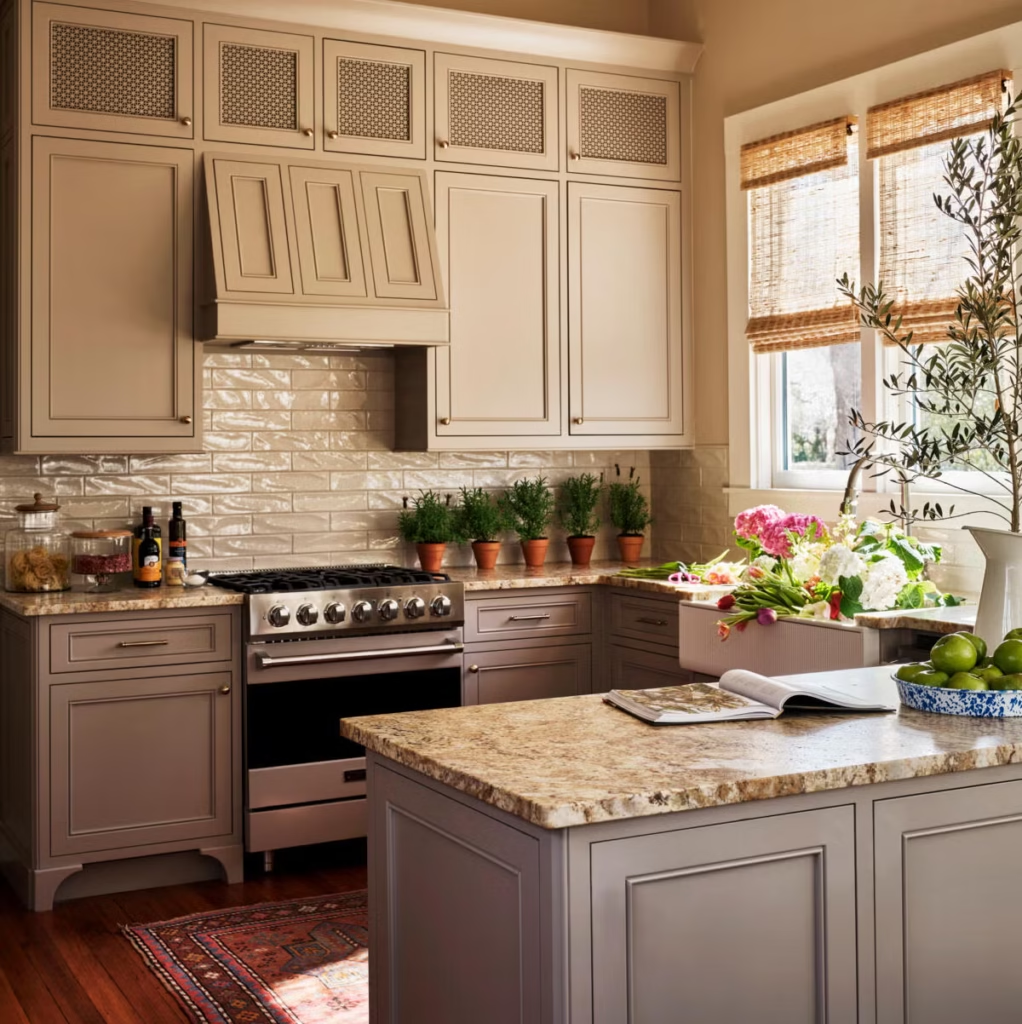
Despite their size, tiny house kitchens can be highly efficient. Compact appliances, deep sinks, and multi-use countertops allow for full cooking capabilities.
Open shelving replaces bulky cabinets, while pull-out pantries and magnetic storage keep essentials accessible without cluttering the space.
Bathrooms in Tiny Homes
Tiny house bathrooms prioritize space efficiency without sacrificing comfort. Popular features include walk-in showers, composting toilets, and wall-mounted vanities.
Wet bath designs combine the shower and toilet area, saving valuable square footage while remaining functional.
Cost of Tiny House Living
The cost of tiny house living varies widely depending on size, materials, and customization. DIY builds can start around $30,000, while high-end custom homes may exceed $120,000.
Additional expenses include land purchase or rental, utility hookups, permits, and transportation for mobile homes. However, long-term savings often outweigh initial investments.
Legal and Zoning Considerations
Before committing to tiny house living, it is essential to understand local zoning laws and building codes. Regulations vary by location and can affect where and how tiny homes are permitted.
Many regions now allow tiny homes as ADUs, while others require minimum square footage for primary residences. Research and planning are crucial to avoid legal complications.
Tiny House Living for Families
While often associated with singles or couples, tiny house living can work for families with thoughtful planning. Bunk beds, shared spaces, and outdoor living areas help accommodate children.
Families who embrace this lifestyle often focus on experiences rather than possessions, creating strong bonds and shared memories.
Tiny House Living and Remote Work
Remote work has accelerated interest in tiny homes. Dedicated workspaces, fold-down desks, and strong internet connections make it possible to work comfortably from a compact home.
The reduced cost of living allows many remote workers to prioritize flexibility and location freedom.
Common Challenges of Tiny House Living
Despite its benefits, tiny house living is not without challenges. Limited privacy, storage constraints, and zoning restrictions can be difficult for some individuals.
Adapting to a smaller space requires mindset shifts and ongoing organization. However, many homeowners find these challenges manageable with proper planning.
Tips for Transitioning to Tiny House Living
- Start downsizing early by decluttering one room at a time instead of trying to eliminate everything at once.
- Focus on keeping items that serve multiple purposes or hold strong practical value.
- Digitize documents, photos, and media to reduce the need for physical storage.
- Practice living small by spending time in a tiny home, cabin, or RV before making a permanent move.
- Choose furniture that is foldable, stackable, or built-in to maximize usable space.
- Learn to organize vertically by using wall-mounted shelves, hooks, and overhead storage.
- Be realistic about your daily habits and design your layout around how you actually live.
- Plan storage zones carefully so every item has a designated place.
- Reduce impulse buying to avoid clutter buildup after moving into a tiny home.
- Prepare mentally for lifestyle changes, including reduced privacy and shared spaces.
- Research local zoning laws and parking regulations before committing to a location.
- Create a flexible floor plan that allows adjustments as your needs evolve.
- Embrace outdoor living by using patios, decks, or shared community spaces as extensions of your home.
- Shift your mindset from owning more to experiencing more through travel, hobbies, and relationships.
- Give yourself time to adapt and refine your setup after moving in; tiny house living is a learning process.
The Future of Tiny House Living
As sustainability and affordability remain global concerns, tiny house living is expected to grow. Innovations in design, materials, and zoning laws continue to make tiny homes more accessible.
Urban planners and communities are increasingly recognizing the role of tiny homes in addressing housing shortages.
Frequently Asked Questions
1.Is tiny house living legal?
Legality depends on local zoning and building codes. Some areas allow tiny homes as ADUs, while others have restrictions.
2.Can you live full-time in a tiny house?
Yes, many people live full-time in tiny homes, either on private land, in tiny home communities, or as mobile residences.
3.How long do tiny houses last?
With quality construction and maintenance, tiny houses can last as long as traditional homes.
4.Are tiny houses energy efficient?
Most tiny homes are highly energy efficient due to their size and use of modern insulation and appliances.
5.Is tiny house living suitable for everyone?
Tiny house living works best for those comfortable with minimalism, organization, and adaptable lifestyles.
Conclusion
Tiny house living offers a powerful alternative to traditional housing by prioritizing simplicity, efficiency, and freedom. While it requires thoughtful planning and adaptability, the rewards often include lower costs, reduced environmental impact, and a more intentional lifestyle. For those ready to embrace less space and more meaning, tiny house living can be a deeply fulfilling choice.