Microinverters for Solar Panels- The Ultimate Key to Maximum Energy Output
Harnessing solar energy efficiently goes beyond installing high-quality solar panels. Microinverters for solar panels play a crucial role in converting energy into usable electricity for homes and businesses.
Unlike traditional string inverters, microinverters optimize energy production at the panel level, ensuring maximum efficiency, even in partially shaded or complex roof systems. Understanding how microinverters work, their advantages, and how they compare to other solar inverter options is essential for making an informed, long-term solar investment.
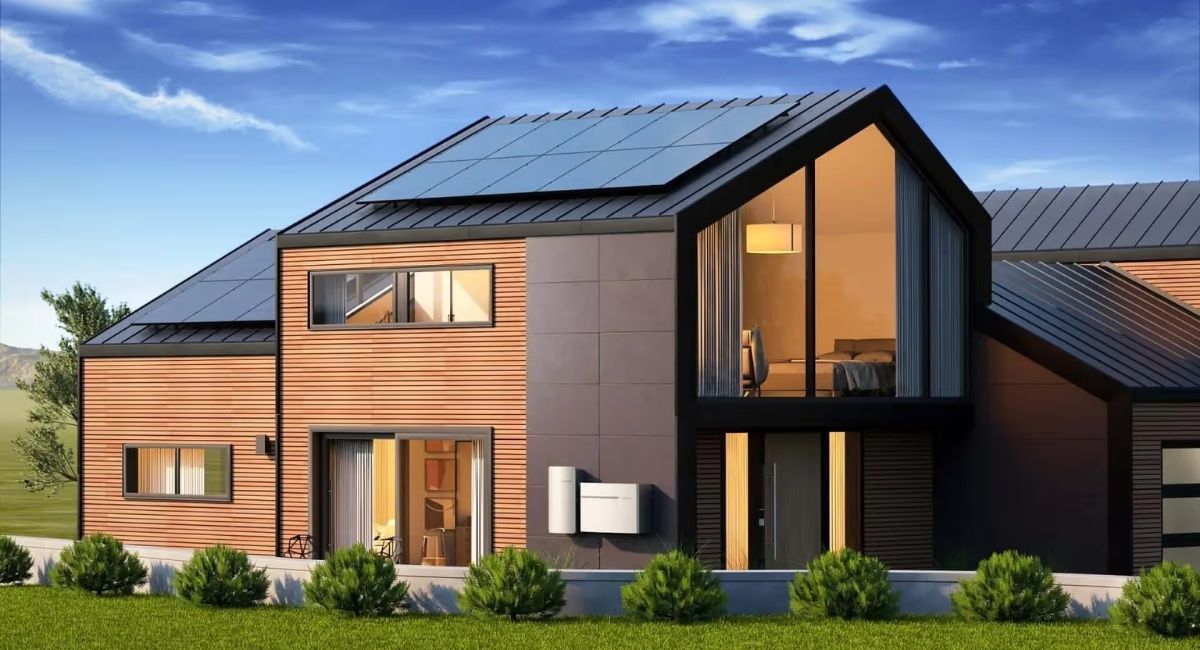
Microinverters for Solar Panels help increase solar efficiency, optimize power generation, and improve system performance for homes and businesses.
What Are Microinverters and How Do They Work
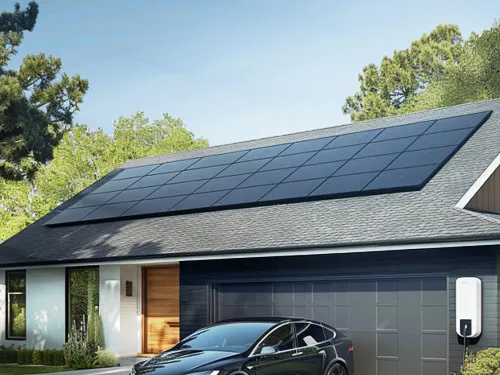
Microinverters are small, panel-level inverters that convert direct current (DC) produced by each solar panel into alternating current (AC) electricity that can power your home. Unlike string inverters, which manage multiple panels at once, microinverters operate independently for each panel. This design ensures that even if one panel is underperforming due to shade, debris, or orientation, the rest of the system continues to produce electricity at full capacity.
Technically, microinverters are a type of module-level power electronics (MLPE). They manage energy conversion locally at the panel, allowing precise monitoring and optimization. Each microinverter tracks performance, provides real-time diagnostics, and contributes to overall energy efficiency. They are particularly beneficial for residential rooftops with varying angles, partial shading, or multiple planes facing different directions.
Advantages of Microinverters for Solar Panels
Panel-Level Optimization
One of the most significant benefits of microinverters is the ability to maximize the output of every individual panel. In a string inverter system, the lowest-performing panel limits the output of the entire string. Microinverters eliminate this bottleneck, ensuring each panel operates independently at its peak efficiency, translating into higher overall energy production.
Enhanced Safety Features
Microinverters include built-in rapid shutdown capabilities, which are critical for meeting modern electrical codes and enhancing safety during maintenance or emergencies. Since each inverter operates at a low-voltage level, the risk of electrical hazards is reduced, unlike centralized inverters that handle high-voltage DC systems.
Simplified System Expansion
As your energy needs grow, microinverter systems can be expanded easily by adding additional panels without worrying about inverter capacity mismatches. This flexibility allows homeowners to scale their solar systems gradually, avoiding expensive replacements or upgrades to centralized inverters.
Long-Term Reliability
Microinverters typically come with warranties comparable to solar panels, often spanning 20–25 years. This ensures long-term reliability and peace of mind. The distributed nature of microinverters means that even if one unit fails, only its connected panel is affected, reducing downtime and maintenance challenges.
Disadvantages of Microinverters
While microinverters offer numerous benefits, there are some potential drawbacks to consider:
- Higher Upfront Cost: Microinverters are more expensive than traditional string inverters due to individual units for each panel. However, the increased energy output and flexibility can offset the initial investment over time.
- Roof-Level Installation: Being installed directly on the roof, maintenance or replacement can be more challenging compared to ground-mounted string inverters.
- Power Clipping: In some cases, microinverters may slightly limit the panel’s maximum power output, though this is generally minor and offset by increased efficiency in partial shading conditions.
Microinverters vs String Inverters
String inverters connect multiple solar panels in a series, and energy production is limited by the lowest-performing panel in the string. This can be problematic for roofs with shading or multiple orientations. String inverters are cheaper and simpler to install but do not provide panel-level monitoring or optimization.
Microinverters, by contrast, eliminate the single-point failure risk and allow each panel to operate independently. They are more suitable for complex roofs or shaded installations. For homeowners seeking long-term energy efficiency and flexibility, microinverters often provide better returns despite higher upfront costs.
Microinverters vs Power Optimizers
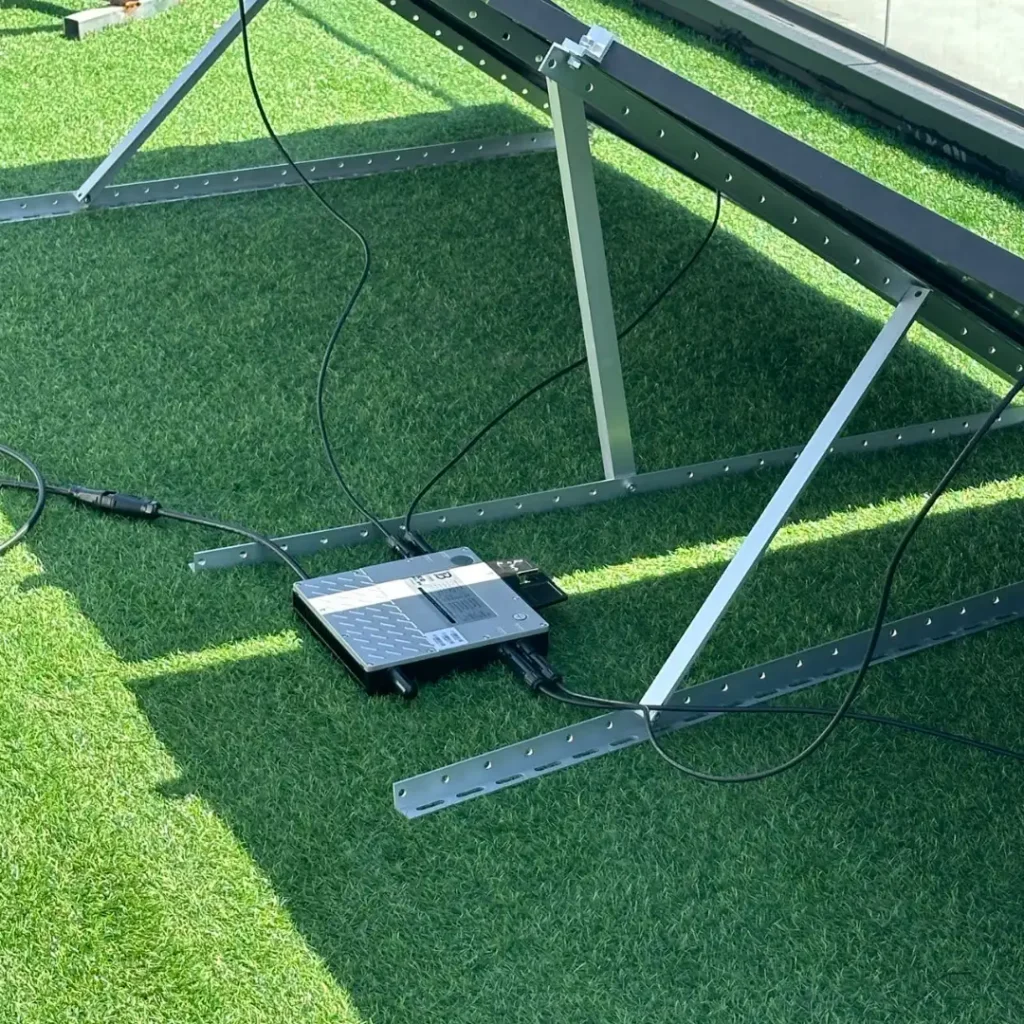
Power optimizers are another module-level solution, working alongside a centralized inverter. They condition DC electricity and allow panel-level monitoring but rely on a central inverter for AC conversion. Microinverters, however, perform DC-to-AC conversion at the panel itself.
Advantages of microinverters over power optimizers include:
- True AC output at the panel level
- Simplified installation without dependence on a centralized inverter
- Reduced risk of single-point failure
Power optimizers may be suitable for medium-sized systems, but microinverters provide better performance for complex or shaded installations.
Choosing the Right Microinverter
Efficiency Ratings
When evaluating microinverters, efficiency is a key factor. Higher efficiency inverters minimize energy loss during DC-to-AC conversion. Look for CEC (California Energy Commission) efficiency ratings or weighted efficiency scores to estimate real-world performance.
Warranty Coverage
A long-term warranty is essential for microinverters since they are a significant investment. Many leading brands offer 25-year warranties, matching the lifespan of modern solar panels. Check for coverage of both manufacturing defects and performance degradation.
Compatibility with Panels
Ensure the microinverter you choose is compatible with your solar panel specifications, including voltage, power output, and phase requirements. Single-phase microinverters are suitable for most residential systems, while three-phase models are designed for higher-capacity installations.
Monitoring Capabilities
Modern microinverters include smart monitoring software that provides real-time performance data. Choose a system with a user-friendly app or web interface to track energy production, diagnose issues, and optimize energy usage.
Top Microinverter Brands
Enphase
Enphase is the market leader, known for reliable, high-efficiency units with robust monitoring systems. Their IQ series microinverters allow individual panel control, remote diagnostics, and microgrid functionality during outages.
Hoymiles
Hoymiles offers flexible configurations for one to four panels per microinverter. They are efficient, cost-effective, and include smart monitoring options.
APsystems
APsystems provides both single-phase and three-phase options. Their Energy Monitoring and Analysis (EMA) software delivers real-time data and supports system expansion with minimal complexity.
Installation Considerations
- Roof Orientation and Shading: Microinverters are ideal for roofs with multiple angles or partial shade. They optimize performance for each panel individually.
- System Size: For larger solar systems, consider multi-panel microinverters to reduce cost without compromising efficiency.
- Electrical Codes: Ensure your installation meets local rapid shutdown and safety requirements. Microinverters generally simplify compliance.
- Professional Installation: While DIY installation is possible, professional setup ensures proper electrical connections, warranty validity, and maximum energy output.
Cost Analysis of Microinverters
While microinverters have a higher initial cost, the long-term financial benefits often justify the investment:
- Higher Energy Yield: Panel-level optimization can produce 5–20% more electricity compared to string inverters in shaded or complex roofs.
- Lower Maintenance Costs: Fewer system-wide outages and localized failures reduce maintenance expenses.
- Scalability: Ability to expand the system gradually avoids costly centralized inverter upgrades.
Maximizing Efficiency with Microinverters
- Regular Monitoring: Use the monitoring system to track individual panel performance and detect issues early.
- Panel Cleaning: Dust or debris can reduce output; keeping panels clean ensures consistent energy production.
- System Expansion: Add panels with compatible microinverters when energy needs increase, maintaining optimal efficiency.
Environmental Benefits

Microinverters contribute to greener energy consumption by optimizing solar panel output, reducing reliance on fossil fuels, and improving overall solar system efficiency. By ensuring each panel produces its maximum potential, homeowners generate more renewable energy and reduce carbon footprints.
Common Issues and Troubleshooting
- Individual Microinverter Failure: If one unit fails, only the associated panel is affected. Replacement is straightforward.
- Monitoring Software Glitches: Ensure firmware updates are applied regularly to maintain accurate performance tracking.
- Clipping: Minimal losses may occur if microinverter capacity is slightly lower than panel output. Choosing the right size avoids this problem.
FAQs
1. Are microinverters better than string inverters?
Yes, for shaded roofs or multi-plane systems. Microinverters optimize each panel independently, ensuring higher overall efficiency and eliminating single-point failures common with string inverters.
2. How long do microinverters last?
Most microinverters are designed to last 20–25 years, comparable to solar panels, with warranties often covering manufacturing defects and performance degradation.
3. Can I expand my solar system with microinverters?
Absolutely. Microinverters allow homeowners to add additional panels easily without replacing the existing inverter or worrying about matching capacities.
4. Are microinverters suitable for all roof types?
They work best for complex roofs with multiple orientations or partial shading. For a single, unshaded south-facing roof, string inverters may be more cost-effective.
5. Do microinverters require maintenance?
Maintenance is minimal. If a microinverter fails, only its panel is affected. Regular monitoring and occasional cleaning of panels ensure optimal performance.
Conclusion
Microinverters for solar panels offer homeowners maximum efficiency, safety, and flexibility. By optimizing each panel individually, they ensure consistent energy production even in shaded or complex installations. While initial costs are higher than traditional inverters, the long-term benefits, scalability, and reliability make them a smart investment for residential and commercial solar systems seeking long-term energy efficiency and reduced carbon footprints.